Payment Networks Integrate Oversight Mechanisms to Promote Responsible Play in Mobile Reel Games and Event Betting
Zara Frank · Aug 15, 2026
Payment Networks Integrate Oversight Mechanisms to Promote Responsible Play in Mobile Reel Games and Event Betting
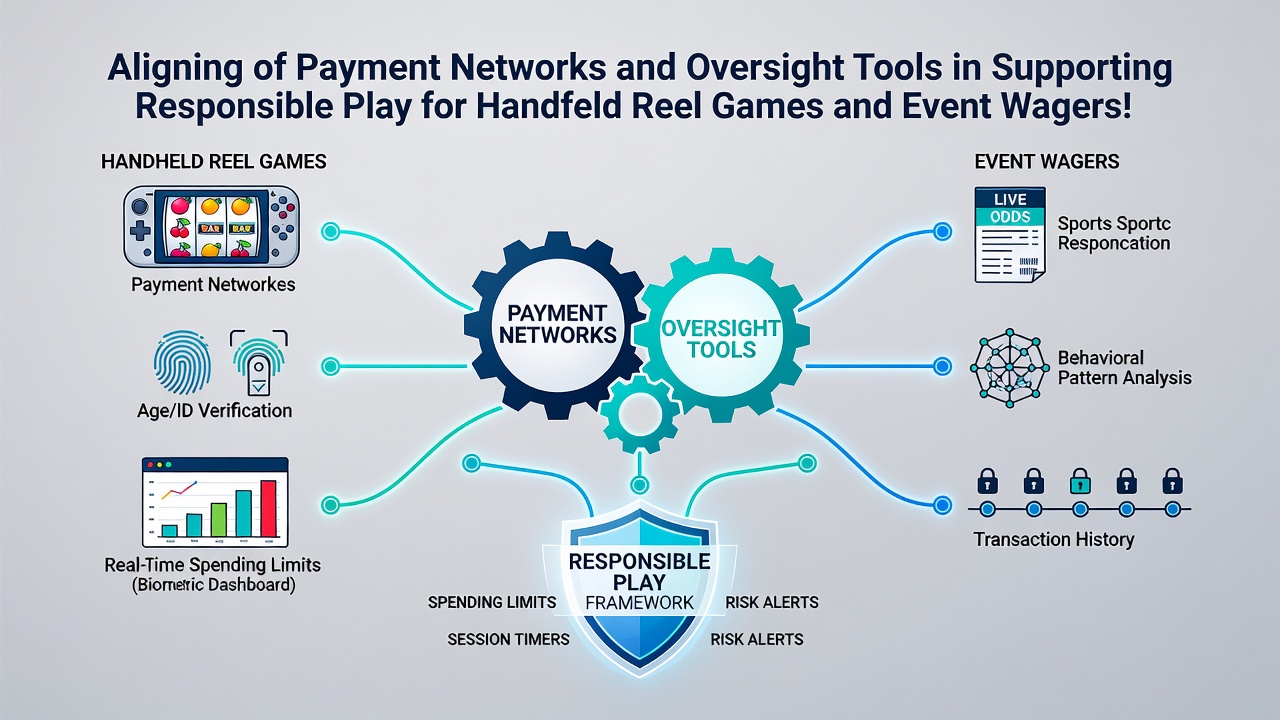
Payment networks now operate alongside oversight tools in ways that help enforce spending limits and flag unusual activity across handheld reel games along with event wagers, and this alignment has grown more visible as platforms update their systems in August 2026. Real-time authorization checks allow providers to pause transactions when patterns suggest potential harm, while data-sharing protocols connect financial rails directly to regulatory dashboards maintained by bodies such as the Nevada Gaming Control Board.
Transaction Monitoring Meets Regulatory Dashboards
Financial institutions route betting-related transfers through specialized gateways that apply velocity rules and category-specific flags, and these same gateways feed anonymized aggregates to oversight platforms used by state regulators in the United States and provincial authorities in Canada. Researchers at the University of Nevada, Reno documented how API-level integrations reduced unauthorized high-frequency deposits by linking account-level risk scores to payment processors in 2025 trials. Observers note that such connections let platforms enforce daily or weekly caps without requiring separate user action each time a player switches between reel games and live-event wagers.
Geofencing and Identity Verification Layers
Payment processors embed location checks and multi-factor authentication inside every deposit flow, and these steps align with oversight requirements that demand proof of age and residency before funds reach gaming wallets. European operators following guidelines from the Malta Gaming Authority have adopted similar token-based verification that cross-references payment data against national ID registries, resulting in fewer mismatched accounts during compliance audits. Those who've studied transaction logs report that the added friction occurs mainly at onboarding, after which approved users experience smoother repeated deposits because the network already holds verified tokens.
Automated Alerts and Spend Controls
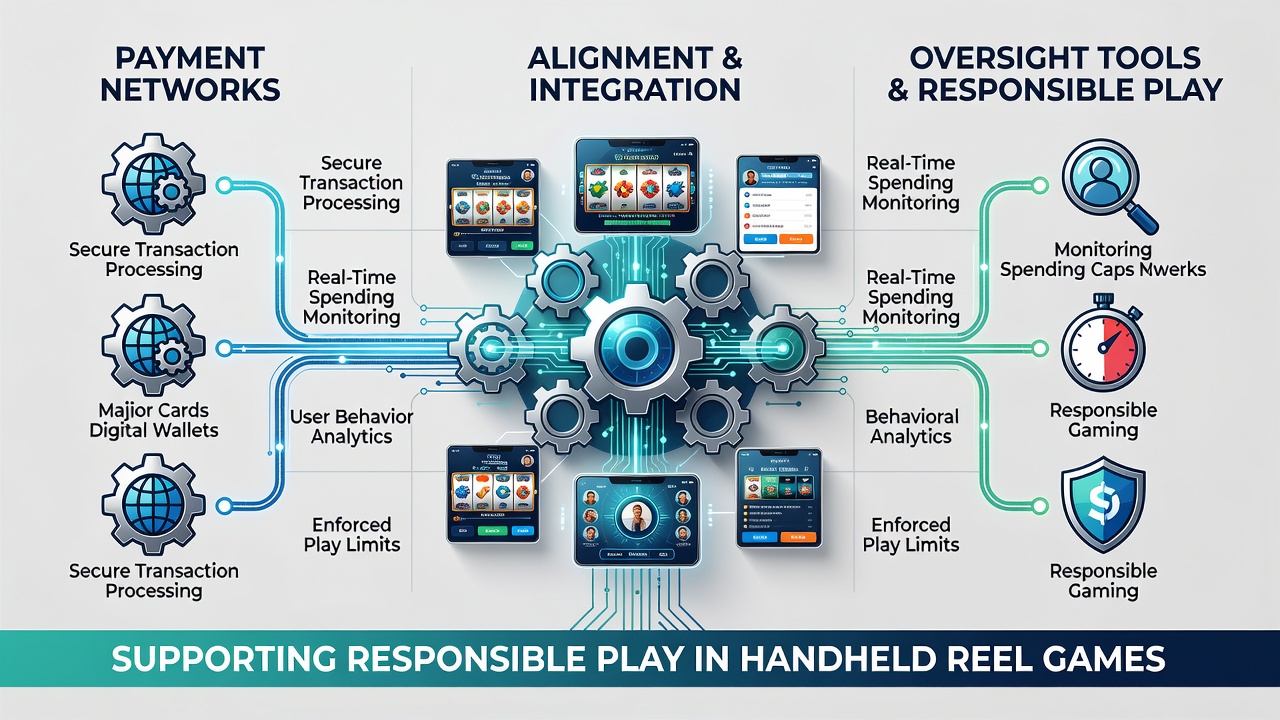
Once a player sets voluntary limits through an app, the payment network enforces those boundaries at the authorization stage rather than after funds clear, and oversight tools receive immediate confirmation that the limit remains active. Studies conducted by the National Council on Problem Gambling show that real-time blocking at the processor level correlates with lower rates of subsequent limit increases compared with systems that only notify users after a breach. Data from Australian state regulators further indicates that combining payment-side blocks with periodic account reviews produces measurable drops in the share of accounts exceeding self-imposed thresholds during major sporting events.
Case Examples from Multiple Jurisdictions
Take one processor that partnered with a Canadian provincial lottery corporation to route all mobile betting traffic through a dedicated responsible-gaming ledger, and that ledger automatically suspends further play when cumulative losses hit a pre-set figure. There's this case where experts at a European research institute found that similar ledger systems cut the average time between first deposit and first limit-setting action by nearly half when the payment gateway itself prompted the player. Observers tracking North American sportsbooks note that the same architecture now supports event-specific wagers, pausing large accumulators when total exposure across multiple matches exceeds configured safeguards.
Future Alignment Trends
Industry groups such as the American Gaming Association continue to publish interoperability standards that let newer payment rails, including digital wallets, inherit the same monitoring hooks already used by card networks, and these standards receive periodic updates tied to regulatory calendars. In August 2026 several U.S. states began pilot programs that feed payment-decline reasons back into centralized harm-prevention databases without exposing personal identifiers, allowing researchers to refine predictive models while preserving privacy. The result is a tighter loop between the moment a transaction is attempted and the moment oversight systems record whether responsible-play rules were respected.
Conclusion
Payment networks and oversight tools now share data pipelines and enforcement points that together create consistent boundaries around handheld reel games and event wagers. Evidence from multiple regulatory regions shows these alignments reduce the window between risky behavior and intervention, and the technical standards continue to evolve as new payment methods enter the market.